

What This Wars of Afghanistan Review Reveals About Tribal Power and Foreign Failure
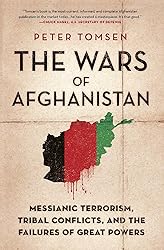
Peter Tomsen served as U.S. Special Envoy to Afghanistan. He saw the war up close. His book, The Wars of Afghanistan, breaks down why foreign powers keep failing there. The Soviet Union failed. The U.S. stumbled too. Tomsen shows one clear reason: outsiders ignore Afghan tribes and local power. They push big plans onto people with deep roots and old codes. The book covers decades of conflict, broken deals, and foreign blind spots. It is dense but worth the work. Tomsen does not spare anyone — CIA, Pakistan’s ISI, Soviet generals, or U.S. policymakers. This book is a hard look at a war that no one truly won.
About the Author
Peter Tomsen is a seasoned diplomat with extensive experience in South Asia and Central Asia. He served as the United States Special Envoy to Afghanistan from 1989 to 1992, during which he engaged deeply with Afghan leaders and factions. His career in the U.S. Foreign Service spanned several decades, during which he held various significant positions, including ambassador to Armenia and assignments in India, China, and the Soviet Union. Tomsen’s expertise in Afghan affairs is widely recognized, and his insights draw from his firsthand experiences and deep understanding of the region’s geopolitical complexities. His work, including “The Wars of Afghanistan,” reflects his comprehensive knowledge and nuanced perspective on the country’s enduring conflicts.
The Wars of Afghanistan by Peter Tomsen: A Book Review
Introduction
Few books cut this deep. This Wars of Afghanistan review will show you why Tomsen’s work stands apart. Peter Tomsen served as U.S. Special Envoy to Afghanistan from 1989 to 1992. He watched history from the inside. His book is not a quick war story. It is a careful record of bad choices, broken trust, and foreign pride. Tomsen names names. He points fingers at real people and real failures. This book will change how you see Afghanistan.
Key Event or Turning Point
The Soviet withdrawal in 1989 is the book’s hinge point. Tomsen shows what the U.S. did next — and it was not enough. Washington cut aid and walked away. That choice left a power gap. Afghan factions filled it with guns and grudges. Peter Tomsen’s Afghanistan coverage shows this turning point with hard detail. The CIA Pakistan ISI rivalry made things worse. Both sides pushed their own agendas. Neither side helped Afghanistan stand on its own feet.
Pakistan backed Gulbuddin Hekmatyar. The CIA sent money and arms with few questions asked. Tomsen warned his bosses. They did not listen. This section of the book reads like a slow disaster. You see the crash before it happens. Tomsen makes the reader feel that frustration. He was in the room. He knew the risks. No one acted on his warnings.
The fall of Kabul in 1992 sealed the deal. Warlords tore the city apart. The Taliban rose from that rubble a few years later. Tomsen traces that line with care. He shows how one bad call leads to the next. The chain of failure is long and clear.
Main Themes and Insights
Three big ideas drive this book. The first is great power failure Afghanistan. The Soviets came in with tanks and a plan. They left in defeat. The U.S. came in after 9/11 with money and troops. The result was not much better. Tomsen argues that both powers made the same mistake. They ignored Afghan culture and history.
The second theme is Afghan tribal conflicts. Afghanistan is not one country in the Western sense. It is a web of tribes, clans, and old codes. Every tribe has its own rules. Every valley has its own loyalty. Foreign powers keep missing this. They treat Afghanistan like a blank page. It is not.
The third theme is messianic terrorism book territory — radical Islam as a tool of war. Tomsen shows how Pakistan used jihadi groups as weapons. These groups had their own goals. Over time, those goals turned on everyone. The monster ate its makers.
The Soviet Afghan war history fills the early chapters. It gives context for everything that follows. Tomsen links the Soviet era to the U.S. era with a straight line. The names change. The mistakes do not.
Human Impact
Tomsen does not let readers forget the human cost. Millions of Afghans died. Millions more fled to Pakistan and Iran. Villages were burned. Farmland was mined. A whole generation grew up knowing only war.
He tells individual stories too. A tribal elder who wanted peace. A commander who played both sides. A refugee who lost his whole family. These stories stick. They give the big history a human face.
US foreign policy failure hurt real people. Tomsen makes that plain. Policy is not just paper and meetings. It lands on villages and families. Bad choices in Washington or Moscow or Islamabad killed people in Kandahar and Kunar.
Tomsen also covers the Afghan diaspora. Educated Afghans left and did not come back. The country lost its best minds. That brain drain cost Afghanistan decades of progress. Tomsen grieves this loss. You feel it in his writing.
Writing Style
This is a long book. It runs over 700 pages. Some readers may feel the weight of it. But Tomsen earns every page. He does not pad his writing. Each chapter adds something new. The prose is plain and direct. He writes like a man who has seen too much to waste words.
The book reads like a mix of memoir, history, and policy study. Tomsen switches between personal memory and big-picture analysis. He does this well. The shifts feel natural. You never lose the thread.
Some parts are dense with names and dates. Keep a notepad handy. The cast of characters is large. Afghan names can be hard to track at first. Push through that early section. It pays off.
Tomsen’s tone is calm but firm. He does not shout. He just lays out the facts and lets them do the work. That restraint makes his criticism hit harder. When he says someone failed, you believe him.
Final Verdict
This Wars of Afghanistan review gives the book a strong recommendation. It is the best single-volume account of Afghanistan’s modern wars. Tomsen brings insider knowledge and honest judgment to every page.
This is not a beach read. It asks something of the reader. It asks for patience and focus. Give it that, and it delivers.
Great powers keep failing in Afghanistan. Tomsen explains why. Start here. Afghan tribal conflicts run deep. So does messianic terrorism. No other book explains both better than this one. The Peter Tomsen Afghanistan record is clear, detailed, and fair. He credits what worked and condemns what failed.
Read this book. Then read it again. Afghanistan is still in the news. Tomsen’s lessons still apply. Few books teach this much. Few books ask this little of your time. This one does both. Tomsen wrote a masterwork. It deserves your time.
Related Books
- “Ghost Wars: The Secret History of the CIA, Afghanistan, and Bin Laden, from the Soviet Invasion to September 10, 2001” by Steve Coll
This book provides a detailed account of the CIA’s involvement in Afghanistan from the Soviet invasion to the eve of the 9/11 attacks. - “The Great Gamble: The Soviet War in Afghanistan” by Gregory Feifer
Feifer’s book offers an in-depth analysis of the Soviet Union’s ill-fated invasion and occupation of Afghanistan in the 1980s. - “Descent into Chaos: The United States and the Failure of Nation Building in Pakistan, Afghanistan, and Central Asia” by Ahmed Rashid
Rashid examines the failures of U.S. policies in Afghanistan and Pakistan, offering insights into the region’s ongoing instability. - “No Good Men Among the Living: America, the Taliban, and the War through Afghan Eyes” by Anand Gopal
Gopal’s book provides a ground-level view of the Afghan war, focusing on the lives of individuals caught in the conflict. - “The Looming Tower: Al-Qaeda and the Road to 9/11” by Lawrence Wright
This Pulitzer Prize-winning book traces the rise of al-Qaeda and the events leading up to the September 11 attacks, with a focus on Afghanistan’s role.
The Wars of Afghanistan: Book Details

Peter Tomsen spent years inside the Afghan conflict as a U.S. Special Envoy. He watched foreign powers make the same mistakes again and again. His book, The Wars of Afghanistan, traces those mistakes from the Soviet invasion to the rise of the Taliban. Tomsen breaks down how tribal codes, radical Islam, and foreign pride combined to keep Afghanistan in a state of war. He shows how Pakistan used jihadi groups as weapons against its neighbors. He reveals how the CIA and ISI worked at cross-purposes while Afghans paid the price. The Soviet Afghan war history fills the early chapters and sets the stage for every failure that follows. Tomsen does not spare Washington either. He shows how the U.S. walked away after the Soviet withdrawal and left a power gap that warlords filled with guns. The book covers decades of broken deals, bad bets, and foreign blind spots. Tomsen writes from memory, from cables, and from hard field experience. He builds a case that no serious reader can dismiss. This book does not offer easy answers. It offers hard truth. Readers who want to understand Afghanistan’s long war will find no better guide than this one.
My Goodreads Review:
The Wars of Afghanistan: Messianic Terrorism, Tribal Conflicts, and the Failures of Great Powers by Peter Tomsen
My rating: 4 of 5 stars
This book provides a thorough and insightful analysis of Afghanistan’s conflicts over the last few decades. The author’s firsthand experience adds depth to the narrative, offering clear explanations of complex events. It is a valuable read for anyone interested in understanding the region’s history and the challenges faced by foreign interventions.
View all my reviews

