

Why This Hidden Figures Book Review Still Matters Today
Hidden Figures tells a true story. Black women did the math that sent men to space. Margot Lee Shetterly brings these women out of the shadows. Their names are Katherine Johnson, Dorothy Vaughan, and Mary Jackson. They worked at NASA during the Space Race. The U.S. government called them “human computers.” They solved hard problems with pencils and paper. The country treated them as second-class citizens. They showed up and did the work. This book gives them the credit they earned. It is a story about skill, grit, and quiet strength. Read it and see history in a new light.
About the Author
Margot Lee Shetterly grew up in Hampton, Virginia. Her father worked there as a research scientist at NASA. As a child, she watched Black professionals fill the halls of NASA. That experience shaped her career as a writer and researcher. Shetterly studied economics at the University of Virginia. She built a career in business and finance after graduation. Then she turned her full attention to historical research. She founded The Human Computer Project. The database documents the lives of all women who worked as computers at the National Advisory Committee for Aeronautics and NASA. She spent years in archives and sat with the women for personal interviews. That research built the factual foundation for her book. Her work earned wide recognition across the literary and scientific communities. The National Aeronautics and Space Administration honored her with its Distinguished Public Service Medal. Time magazine named her one of its most influential people in 2017. Shetterly still writes and speaks about race and gender in American science. She keeps that conversation alive and in public view. Her research gave a generation of readers the full story of these women. The record had ignored their names for too long.
Introduction
Some books change what you know. This one changes what you thought you knew. If you read this Hidden Figures book review, here is the core truth: NASA did not go to space alone. Black women did the math. They sat in a back room. They used pencils and slide rules. They checked numbers that no machine had checked yet. The country gave them a lesser seat. They took that seat and did world-class work anyway. This book pulls them out of the shadows. It puts their names in print where those names belong.
Key Event or Turning Point
The book builds to one clear peak. John Glenn sits in a capsule. He waits for launch. NASA has a new computer. The machine will plot his flight path. Glenn does not trust it. He asks for Katherine Johnson. He wants her to check the numbers by hand. She does the math. She signs off. Glenn flies. That moment is the heart of this story. One woman’s work stood between a man and death. The country did not know her name. She did the job anyway. That scene alone is worth the read.
Main Themes and Insights
Three big themes run through this book. The first is race. These women worked in a split building. White staff and Black staff used different bathrooms. They ate at different tables. The rules were cruel and small. Yet the women showed up every day. The second theme is gender. NASA called these women “computers.” The word meant a job, not a machine. Men got the credit. Women did the math. The third theme is grit. No door stayed shut for long. Dorothy Vaughan taught herself a new coding language. She then taught her whole team. She did not wait for a green light. She moved.
The Space Race story sits at the center of all three themes. Without these women, the race slows down. That is not a small claim. The book backs it up with facts.
Human Impact
This book puts faces on human computers history. These were not just job titles. They were mothers, daughters, and church members. They drove to work through a hostile South. They ate lunch in the car when no diner would serve them. Mary Jackson fought a court just to take a class. She won. She became NASA’s first Black female engineer. That fight cost her real effort. She paid it and kept going.
The stories of women in science often get cut from the record. This book puts them back. It shows what the U.S. lost when it shut these women out of full recognition. It also shows what the country gained because these women refused to quit.
Young readers will feel something shift when they read this. They will see that Black women NASA is not a niche fact. It is a pillar of American space history. That is a big shift. The book earns it.
Writing Style
The author writes with warmth and care. She grew up in the same town as some of these women. Her father knew them. That closeness shows on every page. She does not write like a textbook. She writes like someone who sat at the table and listened. The pacing moves well. Short scenes give way to longer ones. The reader never feels lost.
This is a true NASA story, but it reads like a novel. The author brings in small details. What a woman wore to work. What a street looked like in 1943. How a room smelled before a launch. Those details make the past feel real. They pull the reader in and hold them there.
The research behind this book runs deep. The author spent years on it. She read files, dug through archives, and sat with the women themselves. That work shows. The facts feel solid. The stories feel true. Nothing here feels guessed at or made up.
Final Verdict
This Hidden Figures book review lands on a clear verdict. Read this book. Read it now. Give it to a young person who needs to see what quiet, focused work can do. Give it to anyone who thinks history has no surprises left. The story of Katherine Johnson math and her peers is one of the best kept secrets in American science. It should not have stayed a secret this long.
Four stars. No hesitation. This book earns every one of them.
Hidden Figures — Book vs. Movie
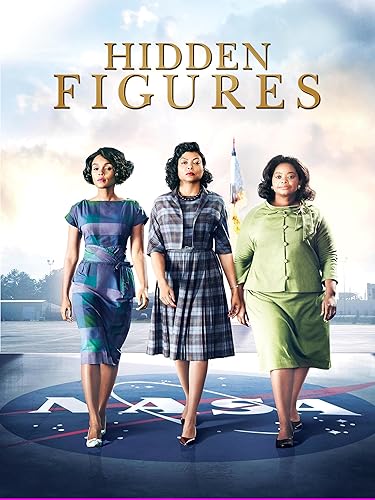
The book and the movie tell the same core story. Black women did the math that sent men to space. But the two versions tell that story in different ways.
The book covers decades and a large group of women. The movie picks three women and follows them through the early 1960s. The film is easier to follow but leaves a lot of history out.
The book builds a full community — families, churches, and neighborhoods. The movie gives three sharp portraits. All three lead performances are strong but the wider community does not make it to the screen.
The book grounds every fact in real events. The movie takes liberties. Key scenes never happened. The famous bathroom sign scene gave a white male character credit that history did not record.
The book puts the women inside the full history of Jim Crow Virginia. The film shows segregation but gives white characters more heroic roles than history supports.
The book is warm and serious. The movie moves fast and aims to make you feel good. It succeeds but trades some historical weight for that feeling.
Read the book for the full story. Watch the movie as a starting point. The best move is both.
Hidden Figures [Book Details]

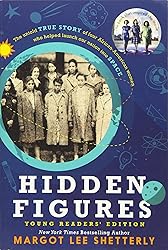
Before NASA had computers made of silicon, it had computers made of flesh and bone. Katherine Johnson, Dorothy Vaughan, and Mary Jackson worked at NASA during the Space Race. All three held top math jobs at the agency. The United States government called them “human computers.” Their country called them second-class citizens. The law forced them to use separate bathrooms and eat at separate tables. They had to enter buildings through separate doors. They showed up anyway. They solved hard problems with pencils, slide rules, and sharp minds. Katherine Johnson calculated flight paths that no machine had yet confirmed. Dorothy Vaughan taught herself a new coding language. She then trained her entire team and kept them ahead of the cuts. Mary Jackson fought a court ruling just to attend an engineering class — and won. This book tells their story with depth, warmth, and solid research. The author grew up near these women. She spent years in NASA archives and sat with the women for personal interviews. She worked hard to get every detail right. She gives each woman a full life on the page — not just a job title. This book tells the true story of brilliant women who helped win the Space Race. History forgot to credit them. This book sets that right.
My Goodreads Review
Hidden Figures by Margot Lee Shetterly
My rating: 4 of 5 stars
This book tells a true story about three Black women who did math for NASA. They solved hard problems during the Space Race. The U.S. treated them as second-class citizens, but they kept doing the work. Their skill and grit helped put a man in space. Every reader who loves true stories of courage and brains should read this book.
View all my reviews

