

GCHQ Book Review: What Nigel West Got Right
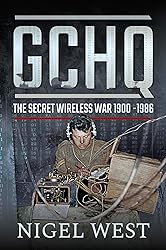
Britain kept GCHQ a secret for decades. Nigel West’s GCHQ: The Secret Wireless War, 1900–1986 blows that cover wide open. GCHQ started with a handful of radio operators. That small team grew. West shows how it became one of the most powerful intelligence agencies on Earth. West covers the wars and the code-breaking wins. But he also gives space to the failures and the people who died for a secret they could never share. But this is not a dry history book full of dates and org charts. West writes with pace and purpose. He pulls the reader into secret rooms and buried cables. So you want to know how Britain spied on its enemies — and its friends? This book gives you real answers. And it does so without asking you to hold a security clearance first.
About the Author
Nigel West, a pen name for Rupert Allason, is a renowned British author and historian specializing in intelligence and espionage. He has written numerous books on the subject, providing in-depth insights into the operations and history of various intelligence agencies, including MI5, MI6, and the CIA. West is considered an expert in his field and has served as a Conservative Member of Parliament in the UK, further cementing his reputation in both political and literary circles.
GCHQ: The Secret Wireless War, 1900–1986 — Book Review
Introduction
Britain kept its secrets well. A quiet building in Cheltenham hid a big secret. The building looked ordinary. But inside sat one of the most powerful intelligence agencies on Earth. It stayed there for most of the twentieth century. This GCHQ book review covers Nigel West’s deep dive into that hidden story. West shows the true work of the agency — the parts that never made the news. It shaped wars, broke codes, and listened to the world. Most people never knew any of it. The book carries the full title GCHQ: The Secret Wireless War, 1900–1986, and it earns every word of that name.
West does not write for insiders. He writes for curious readers who want real answers. And he delivers.
What the Book Covers
Nigel West GCHQ starts at the beginning — the very beginning. West takes the reader back to 1900, when radio was new and no one had thought to use it for spying. A small group of operators picked up signals in the air and realized what they had. That discovery changed everything.
West follows the agency through two world wars. Then comes the Soviet threat and the long freeze of the Cold War. The book covers code-breaking wins and quiet failures. But it also pulls the reader into secret rooms and shows the hard choices that happened inside. Each chapter builds on the last. The story moves fast.
West also covers the people behind the machines. He gives names and faces to men and women who spent careers in silence. These were not spies in the Hollywood sense. They sat at desks, wore headphones, and filled notebooks. But their work decided battles and, in some cases, saved lives.
Key Event or Turning Point
The Second World War sits at the center of this book. West gives it serious weight. Britain intercepted and broke German and Japanese signals. That gave the Allies a sharp edge. West explains how the agency grew during this period — in size, in skill, and in confidence.
But the real turning point came after the war. The Soviet Union replaced Germany as the main target. The methods changed. The stakes changed. And GCHQ had to change with them. This was a new kind of conflict. No front line. No formal declaration of war. West shows how the agency rebuilt itself to fight it.
That shift drives the whole book. GCHQ left wartime code-breaking behind and stepped into Cold War signals intelligence. Everything before it builds to that moment. Everything after it flows from it.
Main Themes and Insights
This is one of the best books on British intelligence because West stays focused on what matters. He does not chase drama for its own sake. He follows the evidence.
Three themes run through the book. First, the power of information. The book returns to one idea. Know the enemy’s plans before they move, and everything changes. Second, the cost of secrecy. The people who worked at GCHQ could not talk about their jobs — not to family, not to friends, not to anyone. That silence had a price. Third, the tension between intelligence and politics. West faces the uncomfortable parts head on. That includes the times GCHQ turned its tools against allies.
The book also works well as a British signals intelligence history. Interception started with radio operators and headphones. West shows how that science grew into satellite tracking over the decades. The technical details stay clear and readable. He never loses the reader in jargon.
Human Impact
The human stories in this book carry real weight. West does not turn these people into heroes or villains. He treats them as workers — skilled, dedicated, and often forgotten.
One of the strongest threads in the book follows the operators during the war. They worked long shifts, pulled signals from the air, and passed them up the chain. They rarely knew what happened next. They did their job and moved on. West honors that quiet labor without turning it into sentiment.
Most online reviews of this book chase the technical or political angle. But that misses half the story. But the human side deserves equal attention. These were real people doing hard work under real pressure. West makes sure the reader remembers that.
Writing Style
West writes with control. His sentences stay clear. His structure stays tight. He does not overload the reader with dates and names, but he gives enough detail to feel credible.
The pacing works well. Some chapters move fast — especially the wartime sections. Others slow down to explain a piece of technology or a shift in strategy. That variation keeps the book from feeling like a lecture.
West also knows when to step back. He lets the facts speak. He does not push the reader toward a conclusion. That restraint makes the book feel trustworthy. This is a key quality in any strong entry in the GCHQ history book category.
Some readers may want more personal stories or more political analysis. West keeps his focus narrow and his argument clean. That is a choice, and it works for the kind of book he set out to write.
Final Verdict
This GCHQ book review lands with a clear recommendation: read it. West wrote one of the most complete accounts of British intelligence history. And he wrote it for general readers, not experts alone. It covers a long period without losing focus. It honors the people involved without turning them into myths.
West gives the reader something rare — a clear, honest look at a secret institution. He shows how it started, how it grew, and what it cost. The GCHQ Secret Wireless War is not a light read, but it is a rewarding one.
This book is for anyone who wants the full picture of how the twentieth century worked. Put it on your shelf. West did the hard work. Pick it up and read it.
Related Books:
- “The Secret History of MI6: 1909-1949” by Keith Jeffery
This book offers a comprehensive history of Britain’s Secret Intelligence Service (MI6) from its founding up until the early Cold War period. - “Body of Secrets: Anatomy of the Ultra-Secret National Security Agency” by James Bamford
An in-depth look into the National Security Agency (NSA), this book provides a detailed account of the American equivalent of GCHQ. - “The Mitrokhin Archive: The KGB in Europe and the West” by Christopher Andrew and Vasili Mitrokhin
This book explores the KGB’s activities in the West, based on the extensive notes and archives smuggled out by former KGB officer Vasili Mitrokhin. - “The Codebreakers: The Comprehensive History of Secret Communication from Ancient Times to the Internet” by David Kahn
A classic in the field of cryptography, this book covers the history of codebreaking and cryptography throughout the ages. - “Spycatcher: The Candid Autobiography of a Senior Intelligence Officer” by Peter Wright
Peter Wright, a former MI5 officer, provides an insider’s view of British intelligence operations and controversies, including his work on counter-espionage.
GCHQ: The Secret Wireless War [BOOK DETAILS]

Nigel West wrote GCHQ: The Secret Wireless War, 1900–1986. The book traces the full history of Britain’s most secretive intelligence agency. The book starts in 1900, when radio was new and a small group of operators first picked up signals in the air. West follows that group as it grew into one of the most powerful intelligence agencies on Earth. He covers two world wars, the rise of the Soviet threat, and the long freeze of the Cold War. West shows how Britain intercepted enemy signals and broke their codes. That work gave the Allies a sharp edge in the Second World War. After the war, GCHQ rebuilt itself for a new kind of conflict — one with no front line and no formal declaration of war. West also covers the human side of the story. The people who worked at GCHQ spent careers in silence. They could not talk about their jobs. West honors that quiet labor without turning it into sentiment. The book covers the wins, the failures, and the hard choices. West writes with pace and purpose. He keeps the technical details clear and the human stories honest. Britain shaped the twentieth century from the shadows. This book shows any reader how it happened.
My Goodreads Review:
GCHQ: The Secret Wireless War, 1900–1986 by Nigel West
My rating: 3 of 5 stars
The book provides a comprehensive account of the covert activities of British intelligence, from the early days of radio interception to the complexities of Cold War-era electronic intelligence, offering an insight into the world of espionage and codebreaking. The author unveils the intricate web of intelligence operations that spanned decades, making it an essential read for history and intelligence enthusiasts alike.
Generally a boring book but I liked what I read.
View all my reviews

