

This Cry Havoc Book Review Covers War, Betrayal, and Survival
Simon Mann lived a life most men only read about. He fought as a soldier. He built private armies. He planned a coup in Equatorial Guinea. The plot failed. Guards threw him in prison for years. In Cry Havoc, Mann tells his own story. He does not hide from his mistakes. He writes about war, greed, and betrayal. The book moves fast. It grips you from page one. Mann earned his scars the hard way. This memoir proves it.
About the Author
Simon Mann trained at Sandhurst and served as an officer in the Scots Guards. He later joined the elite SAS as a member. Mann left the military and turned to private security work in Africa. He co-founded Sandline International in 1996. Fellow ex-Scots Guards officer Tim Spicer joined him. Their company took on contracts in Angola and Sierra Leone. Mann planned and led military operations that shaped conflicts across the continent. In 2004, he organized a coup attempt in Equatorial Guinea. Zimbabwean police arrested him at Harare airport along with dozens of other mercenaries. Courts sentenced him to prison in Zimbabwe. He then faced a much longer sentence in Equatorial Guinea. Mann served five years total before authorities granted him a pardon in 2009. He wrote Cry Havoc to tell his own account of these events. The book reveals details about political figures and intelligence agencies. These groups tied to the failed plot.
Introduction
A soldier writes his own story here, and it does not read like fiction. This Cry Havoc book review looks at a man. He lived through war, prison, and betrayal. Then he sat down to tell the truth. Real events fill these pages. A failed coup in Africa sits at the center of the plot. Guards, guns, and greed drive the story forward. Readers who love true crime or war memoirs will find much to like here. This is not a polished corporate tale. It is raw, and it does not apologize for that.
Few books pull back the curtain on private armies and secret plots the way this one does. The author lived the events himself, so the details feel real. You sense the fear. You sense the greed. You sense the cost of ambition gone wrong. That mix makes this Cry Havoc book review worth your time.
Key Event or Turning Point
The plot centers on a coup attempt in a small African nation. A group of armed men plan to seize power and grab oil wealth. The plan looks solid on paper. Money backs it. Guns back it. Powerful people back it, too.
Then everything falls apart. Authorities catch wind of the plan before it starts. Police arrest the men at an airport, mid-mission. The Wonga Coup story turns from bold plan to public disaster in one single day. Prison follows fast.
This turning point changes the whole shape of the book. Before this moment, the story moves with energy and swagger. After it, the tone shifts. The reader feels the weight of prison walls close in. Years pass behind bars, and hope fades slowly. This shift gives the book its emotional core. Without it, the story would just be another tale of soldiers and guns. With it, the book becomes something sadder and more human.
Main Themes and Insights
Several themes run through this book, and each one lands hard. Greed drives men to take huge risks. Loyalty gets tested and often breaks under pressure. Power tempts people who already have plenty.
The Simon Mann memoir angle gives the story its personal weight. This is not a reporter’s account from a safe distance. This is a man who planned the coup, then paid the price. He does not hide from his choices. He owns them, flaws and all.
The book also digs into how private armies work behind the scenes. Most readers know little about this shadow world. Soldiers for hire cross borders. Weapons move through gray markets. Money changes hands in secret deals. The book pulls this hidden system into the light.
Another theme runs deeper: the cost of pride. The plan fails partly because too many people knew about it. Pride made the plotters careless. That lesson applies far past the world of coups and mercenaries. Ambition without caution tends to end badly.
Human Impact
Numbers and politics matter less than the human cost shown here. The Equatorial Guinea coup plot did not just fail on paper. Real men sat in real cells for years. Families waited at home, unsure if their loved ones would return. Health broke down inside harsh prisons. Hope dimmed with each passing month.
The author does not skip these hard parts. He writes about fear at night. He writes about hunger and sickness. He writes about the slow grind of time in a cell built for far less comfort than a home. These sections hit harder than any action scene in the book.
Friendship also plays a role here. Men who once fought together now share a cell instead. Some bonds grow stronger under pressure. Others snap completely. This part of the African coup attempt story feels almost like a study of human nature under stress. Who stays loyal when the plan fails? Who turns first to save himself? The book does not offer easy answers.
Writing Style
The prose stays direct throughout the book. Short chapters move the plot along at a brisk pace. The author avoids long philosophical detours. He tells you what happened, then moves to the next event.
This choice serves the story well. A true mercenary story works best with clear, fast prose. Fancy language would only slow things down. Instead, the author lets the events speak for themselves. The book tells gunfights with plain honesty. It tells courtroom scenes the same way. It tells prison stretches the same way, too.
Some readers may want more emotional reflection between events. The author tends to state facts rather than dwell on feelings. Yet this restraint fits the subject. A man who lived through war and prison often speaks plainly about pain. He does not need to dress it up.
Dialogue throughout feels sharp and real. Conversations between soldiers carry weight without extra padding. Court scenes move fast, too, without getting lost in legal detail. The private military book angle stays grounded in real speech. It avoids stiff, formal writing.
Final Verdict
This book earns its place among strong military memoirs. It tells a wild true story without dressing it up too much. The prose stays sharp. The events stay gripping. The human cost stays front and center throughout.
Readers who enjoy true stories about war, crime, or power will want to pick this one up. Fans of political thrillers will find plenty to enjoy, too. Real events here beat fiction for sheer drama. The Simon Mann prison years section alone makes the book worth reading. Few writers capture prison life with such honest detail.
Some readers may wish for more reflection. They may also want deeper analysis of the politics involved. That said, the strength of this book lies in its honesty, not its polish. A man tells his story straight, mistakes included, and that choice makes the book stand out.
Overall, this memoir earns a strong recommendation. Pick it up if you want a true story that reads with the pace of a thriller, but carries the weight of real consequence.
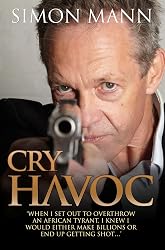
Cry Havoc Book Details

A soldier plans a bold coup in a small African nation, and the mission promises huge oil wealth for the men behind it. He gathers a team of hired fighters and lines up powerful backers who want a piece of the prize. The plan looks solid at first, built on money, weapons, and inside connections. Then the plot unravels fast, and police arrest the team during a stop at an airport. Prison follows, and years pass behind hard walls in brutal conditions. The author lived through every part of this story. So the details carry real weight and true emotion. He writes about fear and betrayal. He writes about the slow grind of captivity. He never softens the truth. Friendships break under pressure, while other bonds grow stronger through shared hardship. This memoir digs into the hidden world of private armies and mercenary work. Most readers know little about this area. It also explores what happens when ambition pushes men past reasonable limits. The prose stays direct and fast, matching the urgency of the events themselves. Readers enjoy true stories about war, crime, or political intrigue. They will find this account gripping. It grips you from the very first page.
My Goodreads Review
Cry Havoc by Simon Mann
My rating: 3 of 5 stars
This memoir grips you from the first page. A soldier plans a coup in Africa. The plan falls apart fast. Guards catch him and lock him away for years. He tells his story straight, with no excuses, and it hits hard.
The book reminds me of the years I worked in Africa as some familiar places were mentioned.
View all my reviews

