

How Hackers Shaped the Future of Computing
Hackers: Heroes of the Computer Revolution by Steven Levy, first published in 1984, is a landmark book in tech and computer culture. It traces the rise of hacker culture from the 1950s to the early 1980s, telling the stories of key figures who pushed computing forward. Levy divides hackers into three groups: the MIT hackers of the late ’50s and ’60s, who explored computers like the PDP-1 at the Tech Model Railroad Club and AI Lab; the hardware hackers of the 1970s, such as Steve Wozniak and the Homebrew Computer Club, who helped launch the personal computer era; and the game hackers of the early 1980s, who broke new ground in video game programming at companies like Sierra On-Line. Levy also defines the “Hacker Ethic,” a set of beliefs that shaped this culture—beliefs in open access to computers, free information, decentralization, and judging hackers by their work, not credentials. At its heart, the book shows how these early pioneers believed computers could be tools for learning, beauty, and change.
Hackers Book Review
Steven Levy’s Hackers tells the story of the first computer hackers. These were curious people. They wanted to understand machines. They did not break things to cause harm. They broke into systems to learn how they worked. Levy shows how they shaped computers as we know them today.
The book starts at MIT in the 1950s. There, students and engineers worked on big machines. They used the TX-0 and the PDP-1. These early hackers believed in sharing code. They wrote programs late into the night. They believed in freedom. They thought all information should be open.
Levy introduces the hacker ethic. This idea has six points. One, access to computers should be free. Two, information should be free. Three, mistrust authority. Four, judge hackers by their skills, not by age or job title. Five, computers can create beauty. Six, computers can improve life.
The second part of the book follows hardware hackers. These include people like Steve Wozniak. He helped start Apple. He liked to build computers. He was part of the Homebrew Computer Club. This group shared ideas. They helped start the personal computing movement.
The last part looks at game hackers. These worked in the early 1980s. They made games for computers like the Apple II. They focused on fun. They found ways to push machines to do more. These hackers also believed in doing good work and taking pride in it.
Levy’s writing is clear. He keeps the story moving. He explains ideas without using hard words. He shows how hackers helped shape modern life. They were not criminals. They were builders. They were thinkers. They were the first tech pioneers.
The book also explains how hacker culture changed. In the beginning, hackers worked in labs and clubs. Later, they worked for companies. Some things stayed the same. The need to learn. The joy of solving a problem. The thrill of writing clean code.
Hackers is more than a book about computers. It is a story about people. People who cared deeply about how things work. People who helped build the digital world. People who still shape how we live today.
If you want to understand hacker culture, start here. If you want to know where tech ideas began, read this book. It is a history worth knowing. Steven Levy gives us that gift with plain words and true stories.
This book is a classic. It explains hackers and their work. It shows their passion and skill. And it reminds us why curiosity still matters.
Hackers is more than a history book—it’s a tribute to the passion, skill, and curiosity that helped shape our digital world. Steven Levy captures the spirit of the early tech rebels who believed in open access, free information, and the power of code to change lives. If you want to understand where today’s technology came from—and where it might be going—this book is essential reading. Grab your copy of Hackers today and discover the roots of the revolution.
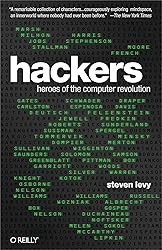
Hackers Book Details

Hackers by Steven Levy tells the true story of the first computer pioneers. These men were smart, restless, and often broke the rules. They worked late into the night, chasing ideas no one else could see. From the labs at MIT in the 1950s to the rise of home computers in the early 1980s, they helped shape the machines that shape us today.
They didn’t care much for titles or paychecks. They cared about the code. They believed information should be free. They believed in sharing and solving problems for the joy of it. This was the hacker ethic. It still lives on.
Levy writes about the minds behind early computer research, the rise of personal computing, and the makers of the first big games. He updates the book with notes from modern hackers like Bill Gates, Mark Zuckerberg, Richard Stallman, and Steve Wozniak.
This book isn’t about crime. It’s about passion. It’s about the drive to learn, to build, and to change things. Hackers shows how a few people, working in shadows, made the digital world possible. They were rebels with tools. They were dreamers with machines. This is their story.
My Goodreads Review:
Hackers: Heroes of the Computer Revolution by Steven Levy
My rating: 5 of 5 stars
The book is an engaging and well-researched account of the pioneers who laid the foundations of modern computing. The book offers a fascinating glimpse into the history of hacking, exploring the people and events that shaped the computer revolution of the 20th century.
Although a generally boring book to read, I liked it as it is somewhat my history too! I went through almost all the stages of computer hardware, from mainframes, min-computers and now the current personal computers.
View all my reviews


2 comments