

Why This Steve Jobs NeXT Book Review Still Matters Today
Steve Jobs got fired from Apple in 1985. He did not quit. He built a new company called NeXT. Randall E. Stross wrote this book about that company. He shows Jobs as a stubborn man. Jobs chased perfect design. He ignored costs and customers. The book digs into real memos and real interviews. It does not paint Jobs as a hero. It shows his flaws in plain view. NeXT built a beautiful computer. The computer flopped in the market. This book explains why genius can fail. It is a sharp lesson on ego and business.
About the Author
Randall E. Stross teaches business at San Jose State University. He earned a Ph.D. in history from Stanford University. He writes the “Digital Domain” column for the New York Times, and he also wrote for Fortune magazine. Stross built his career on business and technology writing. He studies how companies rise, fall, and shape the world around them. He wrote several books on this topic, including The Microsoft Way, eBoys, and Planet Google. He wrote Steve Jobs and the NeXT Big Thing early in this run of books. In it, he turns his focus toward one man and one costly business failure. Stross favors deep research and a critical eye over easy praise. He builds his arguments on real records, real interviews, and hard evidence. He does not shy away from harsh conclusions about powerful people. This approach makes him a trusted voice on Silicon Valley history. Readers turn to his work for a clear, honest view of the tech world. He lives in Burlingame, California.
Steve Jobs NeXT Book Review
I picked up Steve Jobs and the NeXT Big Thing because I wanted to know more about the years between Apple and Apple. Everyone talks about the iPhone and Macs. Nobody at my house ever talked about NeXT. This gap is the whole reason I wrote this Steve Jobs NeXT book review. I knew the Steve Jobs of the iMac and the iPod. I knew the Steve Jobs who lost his own company and had to start over.
The book’s main argument is simple. Randall E. Stross claims that Jobs was not the flawless genius people now remember. He argues that Jobs built NeXT on ego, not on sense. Stross digs into the Jobs Apple firing story and shows how deep that wound went. Jobs did not slink away after Apple pushed him out. He built a new company to prove them wrong. That drive makes a great opening chapter, but the book argues it also became his biggest problem. He chased perfect design and ignored cost, customers, and common sense.
This is where the book taught me the most. I never understood the full Steve Jobs NeXT company story before this. I knew NeXT existed. I did not know how much money it burned or how many warnings Jobs ignored. The book covers the NeXT computer failure in painful detail. It shows engineers begging for cheaper parts. It shows Jobs saying no every time. He wanted a beautiful machine more than he wanted a machine people could afford. I found this section convincing. The author backs it up with real business decisions, not gossip. When a company builds a computer nobody can buy, that is not bad luck. That is bad leadership.
The Jobs leadership style flaws section hit me the hardest. Jobs would not listen to people who understood the market better than he did. He trusted his own taste over his own sales numbers. I found myself nodding at this part. I have worked for people like that. Confidence can build something new. The same confidence can also sink it. The book makes that connection clear without turning into a lecture.
I did question one thing as I read. The book paints Jobs as a washed-up dreamer with no future left. That reading made sense in 1993. Stross wrote this account at the lowest point in Jobs’s career. The book earned its place as a strong Randall Stross book review subject. Sun Microsystems looked unstoppable at the time. NeXT looked like a dead end. Reading this in 2026, I already know how the story keeps going. Jobs went back to Apple. He built the iMac, the iPod, and the iPhone. Sun does not exist anymore. So the book’s confidence in Jobs’s decline did not sit right with me. I do not blame the author for this. He could not see the future. But it does mean I read every harsh judgment with one eyebrow raised.
Here is where I landed on that tension. This is a tech founder failure story, not a full verdict on Jobs as a person. The author had a clear point to prove, and he leaned hard into it. He shows Jobs failing at NeXT, and he does that well. He does not show what Jobs learned from that failure. That part of the story happened later, and this book skips it.
Something in this book annoyed me. The writing style is dense. Stross reaches for big, showy words when small ones would work fine. I do not think of myself as a weak reader, and I still stopped a few times to look something up. If you want a breezy read, this is not it. If you enjoy a slower, detail-heavy business history, you will feel right at home. This is not a light Steve Jobs biography book for a rainy afternoon. It rewards patience more than speed.
One more disappointment stuck with me. The book stops right as NeXTSTEP moves onto Intel hardware. It never covers the sale to Apple. It never covers how NeXTSTEP became the base for OS X. I wanted that ending. I understand why the author stopped where he did, since the book came out years before any of that happened. Still, as a reader in 2026, that missing chapter felt like an itch I could not scratch.
What changed for me after finishing this book? I now see the NeXT years as the training ground for the Jobs who later ran Apple. The book argues that hubris destroyed NeXT. That same hubris, once Jobs learned from it, helped drive some of Apple’s biggest wins. The author does not make that second connection himself. I made this connection on my own while reading. It made the whole book feel more useful than the author intended.
So, was this book worth reading? Yes, with a small warning attached. You love the business side of technology? You want to see Steve Jobs before the comeback? This book gives you real value. If you are a devoted Jobs fan who wants your hero kept shiny, this book will test that loyalty. It does not go easy on him. It lists his failures one by one and does not blink. I closed the book with one simple thought. The same stubborn streak nearly buried Jobs at NeXT. That same streak later rebuilt Apple. This book only shows you the burying part, but that part is worth knowing too.
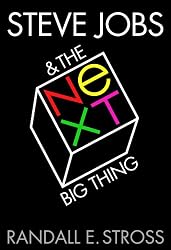

Apple fired Steve Jobs in 1985, and he refused to accept defeat. He poured his money and pride into a new company called NeXT. He wanted to build the perfect computer, and he chased that dream at any cost. This book tracks his fight to prove himself right after a public failure. Randall E. Stross studied real memos to tell this story. He also studied real interviews and real business records. He shows a man who trusted his own taste over sound advice from his team. Jobs ignored warnings about price and demand, and he pushed for beauty over function. The result was a brilliant machine that almost nobody could afford. This book does not protect Jobs from his own mistakes, and it does not soften his failures. It shows raw ambition mixed with real arrogance, and it lets readers judge him for both. Anyone curious about the years between Apple and Apple will find real value here. Readers get a clear, honest look at genius under pressure and a costly ego. This is a sharp study of pride, business, and the price of chasing perfection. It stands as a lesson every founder should read before they build.
My Goodreads Review
Steve Jobs & The NeXT Big Thing by Randall E. Stross
My rating: 3 of 5 stars
Apple fired its own founder. He did not give up. He built a new company from scratch. This book follows his fight to prove himself. It shows his obsession with perfect design. That obsession cost him time and money. The story is a hard look at pride and failure.
The publisher released this book in 1993. I missed that fact at first. The story stops right at NEXTSTEP. That ending left me disappointed. I was hoping to read how NEXTSTEP became OSX.
View all my reviews

