

How Israel’s Financial Warfare Destroyed Terror Networks
“Harpoon” by Nitsana Darshan-Leitner and Samuel M. Katz tells a hidden story. Israel fought terrorism with money tactics. Israel did not rely on weapons alone. The book shows how Mossad officer Meir Dagan built a special team. This team tracked cash flows to Hamas, Hezbollah, and other terror groups. The team cut off these money sources. Darshan-Leitner is an Israeli attorney. She worked with the actual Harpoon unit. She teams up with journalist Katz for this book. Together they show readers how spies, soldiers, and lawyers shut down money pipelines. These pipelines funded terrorist attacks. The authors reveal how terrorists raised billions of dollars. They used drug deals, smuggling, and fake charities. The authors also show how Israel stopped them. Israel killed their accountants. Israel froze their bank accounts. Israel won court cases against them. This book proves an important point. Fighting terror requires more than bombs. It requires smart people who can follow the money trail. These people must destroy the financial networks. America later copied these Israeli methods. The United States used them to fight ISIS and drug cartels. This makes the story important. Anyone who wants to understand modern counterterrorism should read this book.
About the Authors
Nitsana Darshan-Leitner founded and directs Shurat HaDin, the Israel Law Center. This organization fights terrorism through legal action in courts around the world. She earned her law degree from Hebrew University. She has won court cases against Iran, Syria, and Palestinian terror groups. These judgments total billions of dollars. These groups funded attacks against Israeli and American citizens. Darshan-Leitner has represented hundreds of terror victims. She worked in both Israeli and American courts. She uses financial pressure to bankrupt terror organizations. She exposes their funding networks. Her legal work cooperates with intelligence agencies. She worked with the actual Harpoon unit that the book describes. She combines legal expertise with firsthand knowledge of Israel’s financial warfare operations. This makes her the ideal co-author for this book about cutting off terrorist money.
Samuel M. Katz works as a security and counterterrorism expert. He has authored over thirty books on military and intelligence topics. Several books cover Israeli Defense Forces and Mossad operations. He served as a volunteer with the Israeli Defense Forces during his younger years. This service gave him direct access to military sources and operations. Katz has written for major publications. These include Jane’s Defence Weekly, The New York Times, and The Jerusalem Post. He established himself as a respected voice on counterterrorism issues. He brings journalistic skill and narrative talent to the Harpoon project. He transforms complex financial warfare operations into gripping stories. General readers can understand and enjoy his writing.
Harpoon: Inside the Covert War Against Terrorism’s Money Masters – A Book Review
Most people think Mossad operations involve assassinations and spy missions in dark alleys. Nitsana Darshan-Leitner and Samuel M. Katz show readers a different kind of secret war. They wrote a book called “Harpoon: Inside the Covert War Against International Terrorism’s Money Masters.” The book tells this story. The authors reveal Israel’s financial warfare tactics. These tactics target terrorist bank accounts instead of terrorist leaders alone. This book proves an important point. Cutting terrorist funding can destroy terror networks. It works better than military strikes alone. Darshan-Leitner brings insider knowledge to the book. She is an Israeli attorney who worked with the real Harpoon unit. Katz adds his skills as a veteran national security journalist.
Following the Money: The Birth of Harpoon
Meir Dagan is a legendary Israeli general. He created the Harpoon unit in the early 2000s. He saw a major problem that needed a solution. Hamas financing and Hezbollah money operations brought in billions of dollars each year. They used drug deals, fake charities, and smuggling networks. Dagan knew that killing terror leaders would not stop attacks. New leaders could still access unlimited cash. He built a small team with special skills. The team included economists, lawyers, spies, and soldiers. These people understood both finance and warfare. This group had one mission. They tracked every dollar that flowed to terror groups. They destroyed those money pipelines.
The book shows how Israel fights terrorism with finance. It tells real operations that read like spy thrillers. Harpoon agents traveled to Europe, Asia, and South America. They searched for the accountants, bankers, and businessmen who moved terror money. They froze bank accounts in Switzerland. They exposed money laundering in Lebanon. They shut down charities in the Gulf states. These charities claimed to help orphans but funded suicide bombers instead. Some operations required killing the financial managers. These managers kept Hamas and Hezbollah running. Other operations used lawsuits and diplomatic pressure.
The Three-Pronged Attack
Darshan-Leitner and Katz explain Israel’s financial warfare strategy. The strategy used three main tactics. First, Israeli intelligence tracked the money trails. They followed the money through banks, wire transfers, and cash couriers. The authors describe how Mossad agents worked undercover. These agents posed as businessmen. They hacked into financial systems. They recruited sources inside terror organizations. These spies discovered something surprising. Terrorism funding came from sources most people never suspected. The money came from companies that appeared legitimate. It also came from respected religious foundations.
Second, the Harpoon team launched physical attacks. They targeted the people who managed terror finances. The book details several operations. Israeli commandos killed accountants in Beirut. They bombed money storage facilities in Gaza. They kidnapped financial managers in Damascus. These strikes sent a clear message. Anyone who helps terrorists raise money becomes a target. The authors show how these attacks hurt terror groups. The attacks worked better than killing military commanders. Good accountants proved harder to replace than soldiers.
Third, Israel used legal warfare to freeze terror group assets around the world. Darshan-Leitner herself led many of these court battles. She sued banks that processed terror payments. She sued companies that did business with Hamas and Hezbollah. American courts awarded billions of dollars in judgments. These judgments targeted Iran and Syria for funding terrorist attacks. Collecting these judgments proved difficult. But the legal cases exposed financial networks. They scared banks away from handling suspicious money.
Stopping Terrorist Money Flow in Action
The most gripping chapters show specific operations in detail. One story describes how Harpoon agents tracked terrorist bank accounts. These accounts linked to the 2006 Lebanon War. Israeli analysts discovered that Hezbollah kept emergency war funds in banks. The banks spread across Europe and the Middle East. The war started. Within days, Israeli operatives froze these accounts. They used legal actions and cyber attacks. Hezbollah lost access to cash. The group struggled to pay fighters during the conflict. They could not buy weapons.
Another chapter reveals how Israel stopped the money flow. Iran sent money to Palestinian terror groups through a pipeline. Israel shut it down. Iran sent millions of dollars each month to Hamas. The money moved through a network of money changers and smugglers. Harpoon agents identified the key money couriers. They either killed these couriers or got them arrested in third countries. The operation cut Hamas financing by over 60 percent. This happened in two years. Hamas had to reduce salaries. The group canceled attacks because of the money shortage.
The authors also explain Israeli counterterrorism strategies that targeted charity fraud. Many Islamic charities in Europe and the Gulf collected donations. They claimed the money would help hospitals and schools. Instead, they sent the money to buy rockets and explosives. Israeli lawyers filed lawsuits that exposed these scams. Mossad leaked evidence to Western media. Several major charities shut down. This happened after their terror finance connections became public.
America Learns from Israel
One section stands out as the most important. It shows how the United States copied Israel’s financial warfare methods. After 9/11, American officials realized they needed better tools. They wanted to track terrorist money better. Israeli experts trained the CIA and Treasury Department. Some of these experts were Harpoon veterans. They taught financial intelligence tactics. These lessons helped America fight ISIS. America cut off their oil revenue. America also stopped drug cartel funding.
The book describes how American and Israeli teams worked together. They destroyed ISIS finances between 2014 and 2017. They bombed oil facilities. They killed financial managers. They seized bank accounts. They stopped ransom payments. This cooperation proved an important point. Stopping terrorist money flow requires international teamwork. Countries must share intelligence across borders.
Weaknesses and Strengths
The authors sometimes focus too much on Israeli successes. They do not discuss failures or ethical questions enough. The book does not examine certain cases in depth. Some cases involved innocent people who lost money. Some innocent people died during financial warfare operations. Some readers may want more critical analysis. They want to know whether freezing assets follows international law. They question whether killing accountants is legal under international law.
But the book’s strengths far outweigh these limits. Darshan-Leitner and Katz conducted hundreds of interviews. They spoke with Harpoon operatives, terror finance experts, and intelligence officials. They provide documents, court records, and financial data. These sources prove their claims. The writing stays clear and exciting. It does not get lost in technical financial jargon.
Final Verdict
“Harpoon” teaches an essential lesson. Modern counterterrorism requires more than guns and drones. Israel’s financial warfare tactics show that smart economic attacks work. These attacks can destroy terror networks by cutting their funding at the source. Anyone interested in national security should read this book. Anyone curious about Middle East conflicts or intelligence work will find it valuable. The authors prove an important point. In the fight against terrorism, accountants and lawyers matter. They are as important as soldiers and spies. This eye-opening account changes how readers understand the secret war. The war fights terror groups and their money masters.
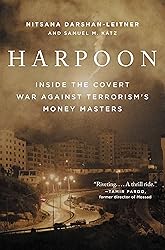

“Harpoon: Inside the Covert War Against Terrorism’s Money Masters” by Nitsana Darshan-Leitner and Samuel M. Katz exposes a secret war. Israel fights Hamas, Hezbollah, and other terror groups by attacking their money. The book reveals how legendary Mossad officer Meir Dagan created a special unit. This unit tracks billions of dollars flowing to terrorists. The money moves through banks, charities, and criminal networks. Darshan-Leitner is an Israeli attorney who worked with the actual Harpoon team. She joins forces with national security journalist Katz. Together they show readers the real operations behind this invisible war. The authors detail how Israeli agents kill terror accountants. They freeze foreign bank accounts. They expose money laundering schemes. They win court cases that bankrupt entire terror networks. The book explains how terrorists fund their operations. They use drug trafficking, kidnappings for ransom, and state sponsors like Iran. They hide money in fake humanitarian organizations. The book demonstrates an important truth. Cutting off money supply hurts terror groups more than military strikes. Fighters need steady cash for weapons, salaries, and operations. America later adopted these Israeli tactics to fight ISIS and drug cartels. This made financial warfare a global counterterrorism tool. This gripping account proves that modern spy work needs economists and lawyers. Economists and lawyers play a critical role in fighting terrorism. They are just as important as soldiers and assassins in this battle.
My Goodreads Review
Harpoon: Inside the Covert War Against International Terrorism’s Money Masters by Nitsana Darshan-Leitner
My rating: 4 of 5 stars
Israel fights terrorists in a new way. This book shows how Israel cuts off terrorist money to win battles. Bombs alone cannot stop terror groups. The authors explain how Mossad built a secret team. This team tracked billions of dollars. The money flowed to Hamas and Hezbollah through banks, charities, and drug deals. Readers get real stories about secret agents. These agents killed terror accountants. They froze foreign bank accounts. They won court cases that destroyed funding networks. The book proves an important point. Smart financial attacks stop terror groups better than military raids alone. Anyone who wants to understand modern spy work should read this book. Anyone interested in counterterrorism needs this eye-opening account.
View all my reviews

