

How Blackwater Private Military Company Changed Modern Warfare
Jeremy Scahill wrote “Blackwater: The Rise of the World’s Most Powerful Mercenary Army.” The book exposes one of America’s most secret war contractors. This company made billions in profit. The book tracks Blackwater from its birth in the late 1990s. The company experienced explosive growth after September 11, 2001. Scahill documents how this private military company won billions in government contracts. The company operated with little oversight in Iraq and Afghanistan. He reveals the close ties between Blackwater’s founder and powerful politicians. Erik Prince maintained these connections in Washington. The narrative shows how private soldiers replaced regular troops on battlefields. This shift raises serious questions about accountability. It also raises questions about the true cost of modern warfare. Scahill built this investigation on thousands of documents. He used court records and interviews with contractors. He also interviewed soldiers and government officials. The book asks a critical question. Did America outsource its military power to corporations? These corporations answer to profit rather than public interest. This work examines how war became a business. It shows how one company shaped American foreign policy. The company operated from the shadows.
About the Author:
Jeremy Scahill is an American investigative journalist, author, and co-founder of The Intercept. People know him for his in-depth reporting on war. He also reports on international politics and corporate influence. Scahill’s work focuses on exposing the hidden aspects of warfare. He sheds light on the consequences of privatizing military operations. He has received many awards for his reporting. Many people consider him an authority on the subject.
Book Review: Blackwater by Jeremy Scahill
Jeremy Scahill pulls back the curtain on America’s shadow army. His groundbreaking book examines the Blackwater private military company. The journalist spent years investigating this secretive organization that transformed modern warfare. His work reveals how private military contractors became essential players. These contractors operated in American conflicts abroad. The book tracks Blackwater’s rise. The company grew from a small training facility to a billion-dollar empire. The company operated in war zones across the globe.
The Birth of a Corporate Army
Scahill starts with Erik Prince, the former Navy SEAL who founded Blackwater in 1997. Prince built his company on family wealth from his father’s auto parts business. He purchased 7,000 acres of swampland in North Carolina. He created a state-of-the-art training facility there. The location gave the company its name. Prince saw an opportunity to sell military training and services to government agencies. His timing proved perfect. The September 11 attacks created massive demand for security services.
The book explains how the Bush administration embraced outsourcing after 2001. The government outsourced American military functions. Defense contractors received billions in no-bid contracts. Blackwater grabbed a huge share of this money. The company trained security forces and protected diplomats. It conducted operations that regular soldiers once handled. Scahill documents how Blackwater employees earned ten times more than soldiers. Both groups did similar work. The war contractors faced few rules and operated outside normal military justice systems.
Blood and Profit in Iraq
The most powerful sections focus on Blackwater Iraq operations. Scahill describes the March 2004 ambush in Fallujah. Insurgents killed four Blackwater contractors in this attack. The men died on a dangerous mission. The company sent them without proper equipment or backup. Blackwater wanted to save money and impress clients with quick results. The deaths sparked a major battle that killed hundreds of Iraqis and dozens of Marines. Scahill shows how corporate warfare decisions had deadly consequences for everyone involved.
He explores other incidents where private soldiers killed Iraqi civilians. The September 2007 Nisour Square massacre stands out. Blackwater guards opened fire in a crowded Baghdad intersection and killed seventeen civilians. The contractors claimed they faced threats. Witnesses and investigations told a different story. Scahill uses this tragedy to examine private military companies accountability problems. Regular soldiers face courts-martial for crimes. Blackwater guards operated in a legal gray zone where prosecution proved difficult.
Political Connections and Power
Scahill traces Blackwater Erik Prince connections to Republican politicians and Christian conservative groups. Prince donated millions to right-wing causes and candidates. His sister, Betsy DeVos, later became Education Secretary. The book shows how these relationships helped Blackwater win government contracts. The contracts were worth over one billion dollars. Prince met with top Pentagon and State Department officials. He pitched Blackwater as the solution to military shortages.
The author documents how Prince built a mercenary army. The army served his ideology and his wallet. Prince saw his company as Christian warriors fighting Islamic terrorism. He wanted Blackwater to become a permanent fixture in American foreign policy. Scahill argues this vision threatens democratic control of military force. When companies profit from war, they push for more conflicts.
The Investigation Unfolds
Jeremy Scahill Blackwater investigation relied on thousands of documents. He filed Freedom of Information Act requests and studied court records. He interviewed former Blackwater employees who described the company culture. Many spoke of a shoot-first attitude and contempt for Iraqis. Scahill traveled to Iraq and interviewed survivors of Blackwater shootings. These personal stories give the book emotional weight.
The research reveals how private contractors Iraq Afghanistan operations grew without public debate. Congress gave little oversight to these programs. The military relied on contractors but kept poor records of their activities. Scahill estimates that contractors outnumbered troops in Iraq by 2007. This military outsourcing happened while Americans focused on troop levels.
Strengths and Impact
Scahill writes clear prose that makes complex issues accessible. He explains how Blackwater private military company contracts worked. He also shows where the money went. The book provides essential context about privatization trends that started before September 11. Defense Secretary Donald Rumsfeld pushed hard to shrink the military. He wanted to expand contractor use. Scahill connects these policies to broader debates about government size and corporate power.
The book sparked real change. Congressional hearings followed its publication. The State Department ended some Blackwater contracts. The company changed its name many times to escape bad publicity. Scahill’s work influenced how journalists and citizens view private military contractors. The Blackwater investigation became a model for reporting on national security issues.
Limitations
Some critics argue Scahill shows bias against private contractors. He presents Blackwater in harsh terms. He gives little credit for legitimate security work. The book focuses on failures and scandals while ignoring successful missions. Prince and Blackwater defenders say the company protected thousands of people without incident. Scahill’s progressive politics color his interpretation of events.
The writing sometimes lacks nuance about difficult security decisions. Operating in Iraq posed real dangers. Contractors faced threats and made split-second choices. Scahill emphasizes Blackwater’s mistakes. He gives less attention to the chaos of the war itself.
Final Verdict
“Blackwater: The Rise of the World’s Most Powerful Mercenary Army” remains essential reading. Anyone interested in modern warfare should read this book. Scahill exposes how America fought wars with private soldiers. These soldiers answered to corporate bosses instead of military commanders. The book raises urgent questions about democracy and accountability. It also questions the true costs of conflict. His reporting changed public understanding of how America wages war. He identifies important issues in the book. These issues continue to shape debates about military policy and contractor use.
This book serves as a warning. It shows what happens when profit motives drive military decisions. Scahill makes a strong case about the Blackwater private military company. The company represented a dangerous shift in how democracies should operate. Readers may agree or disagree with his conclusions. Either way, they will finish the book better informed. The book reveals a hidden dimension of American power.
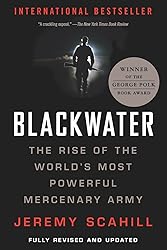
Takeaways of the Book:
- Privatization of Warfare:
“Blackwater” highlights the dangers and ethical implications of outsourcing military operations to private companies. Scahill explores how the use of mercenaries blurs the lines between legitimate military operations and profit-driven enterprises.
- Corporate Influence:
The book delves into the close relationship between Blackwater and the US government, revealing the extent of corporate influence in shaping military policy and operations. Scahill explores the revolving door between Blackwater executives and government positions, highlighting the potential conflicts of interest.
- Consequences of Unaccountability:
“Blackwater” exposes the lack of accountability and oversight faced by private military companies. The book highlights the legal and ethical challenges in holding these companies responsible for their actions, particularly in cases of human rights abuses and civilian casualties.
Related Books:
- “The Dogs of War” by Frederick Forsyth
- “Corporate Warriors: The Rise of the Privatized Military Industry” by P.W. Singer
- “The Modern Mercenary: Private Armies and What They Mean for World Order” by Sean McFate
- “Licensed to Kill: Hired Guns in the War on Terror” by Robert Young Pelton
- “Civilian Warriors: The Inside Story of Blackwater and the Unsung Heroes of the War on Terror” by Erik Prince
- “The Prince of War: Billy Graham’s Crusade for a Wholly Christian Empire” by Cecil Bothwell
Blackwater: The Rise of the World’s Most Powerful Mercenary Army [BOOK DETAILS]

Jeremy Scahill exposes the hidden history of Blackwater. This private military company became America’s most powerful mercenary force. The book traces founder Erik Prince’s transformation of a North Carolina training facility. He built it into a billion-dollar empire. The company operated in Iraq, Afghanistan, and beyond. Scahill documents how Blackwater won massive government contracts after September 11. The company deployed armed contractors who faced little oversight. These contractors also faced little legal accountability. He investigates deadly incidents in the book. These include the 2004 Fallujah ambush and the 2007 Nisour Square massacre. Blackwater guards killed seventeen Iraqi civilians in that massacre. Scahill uses thousands of documents and court records for his research. He also conducts interviews with contractors and survivors. His work reveals the deep political connections that fueled Blackwater’s growth. It also shows the dangers of outsourcing military power to profit-driven corporations. The investigation shows how private soldiers replaced regular troops on battlefields. Congress and the public remained unaware of this shift. Scahill challenges readers to consider an important question. Should democracies allow companies to wage war for profit? He asks what happens when military force answers to corporate interests. What happens when it ignores public accountability? This groundbreaking work changed how Americans understand modern warfare. It sparked national debates about the role of private contractors in combat zones.
My Goodreads Review:
Blackwater: The Rise of the World’s Most Powerful Mercenary Army by Jeremy Scahill
My rating: 4 of 5 stars
Scary thought about mercenaries being legalized as private military contractors.
The book is an exposé of the controversial private military company Blackwater and its impact on modern warfare. The author offers a compelling narrative that raises crucial ethical and legal questions about the privatization of military operations.
View all my reviews


One comment